Summary
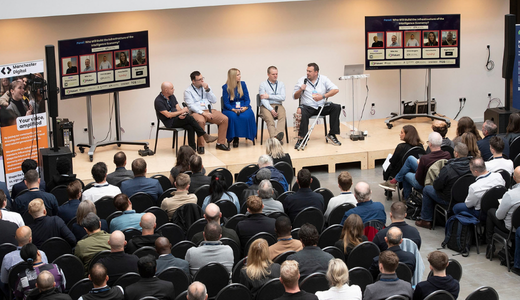
The conference at Campfield Studios heard from founders and technology leaders including Silveray, CASA Space Technologies, Sineco and N:SYM. Key speakers argued that AI's next phase will focus less on demonstrating capabilities on screen and more on secure, affordable deployment in physical applications—requiring investment in infrastructure, energy, data and skills across the region.
Manchester-based deep-tech company Silveray is developing ultra-thin X-ray imaging technology for medical and industrial use, while CASA Space Technologies is working on coatings for satellites operating in very low Earth orbit, research emerging from University of Manchester. Panellists identified the North as a potential leading location for AI infrastructure, provided it remains sustainable and transparent about energy use.
Local barriers to AI adoption include skills and capability gaps, siloed decision-making, and unclear organisational strategy around data and AI need. The conference emphasised that connecting the region's existing strengths in advanced materials, computing infrastructure, cyber security and quantum technologies could unlock broader economic opportunity beyond simple AI adoption.
Read the full story at Manchester Digital
This is a summary written for the Manchester Business Services register. The full article belongs to Manchester Digital — read it at source.
Common questions
- What is this article about?
- Manchester Digital's MD Future 26 brought together industry leaders, investors and policymakers to explore how the region can turn strengths in advanced materials, computing and cyber security into economic advantage through physical AI and emerging technologies. Sessions covered infrastructure, skills and governance needed to deploy AI reliably in the real world.
- When was this published?
- This article was published on 25 September 2026.
- Who published this article?
- This article was published by Manchester Digital.